Layered Incentive Structures Bridging Table Play, Sports Markets, and Rapid Transaction Systems
Iris Berger · Aug 25, 2026
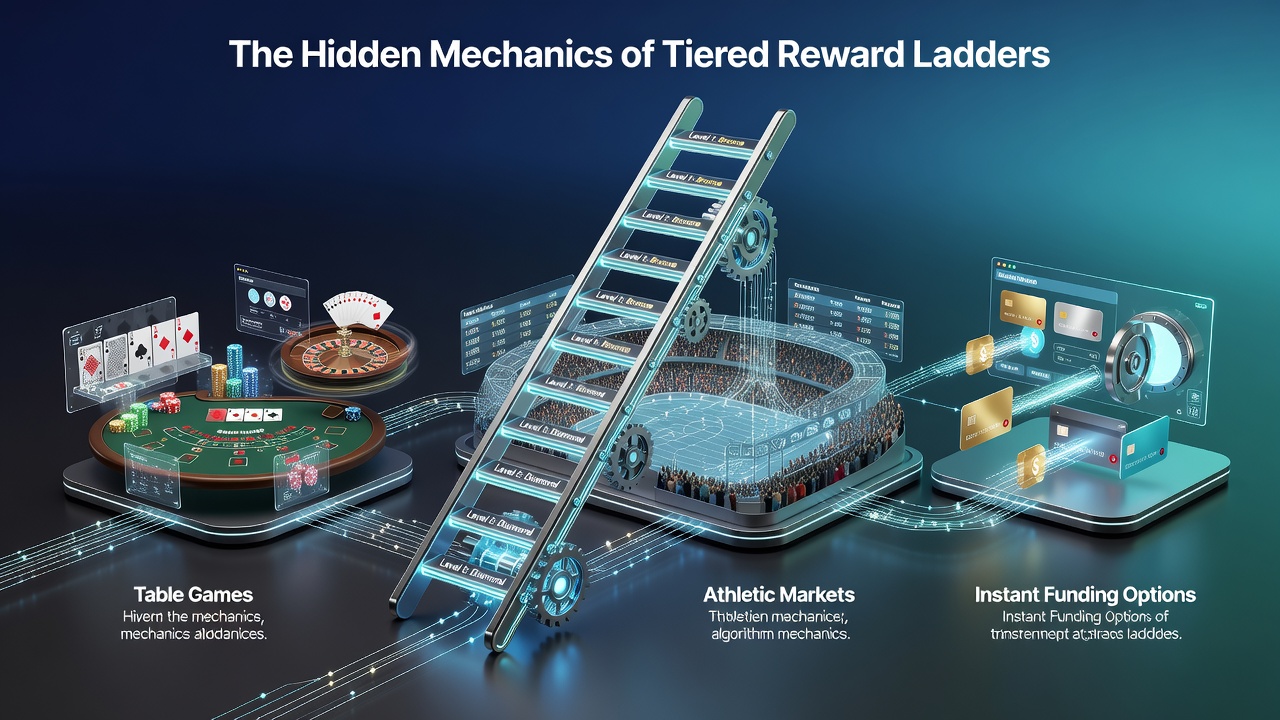
Layered Incentive Structures Bridging Table Play, Sports Markets, and Rapid Transaction Systems
Operators structure tiered reward ladders as multi-level progression systems that grant escalating benefits based on player activity metrics such as wager volume, frequency, and game type participation, and these frameworks extend across table games like blackjack and roulette while intersecting with sports betting markets and instant funding channels that accelerate deposit-to-play cycles. Data from industry tracking services shows participation in such programs has grown steadily through 2025 into August 2026, with operators reporting average tier advancement times shortening by 15 to 20 percent in regions with mature digital payment infrastructure.
Core Components of Tiered Reward Ladders
Tiered systems typically begin at entry levels offering basic cashback percentages and progress through intermediate stages that unlock higher multipliers, exclusive event access, and dedicated account management, while top tiers deliver personalized promotions and reduced withdrawal processing times, and observers note that the mechanics rely on algorithmic tracking of cumulative activity rather than isolated session data. Research from the University of Nevada's gaming studies indicates that players who advance through three or more tiers demonstrate retention rates exceeding 65 percent over 12-month periods compared to non-tiered accounts.
Points accrual formulas factor in game-specific contributions, with table games often weighted differently from slot play due to lower house edges, and this weighting creates deliberate pathways that encourage cross-category engagement. Experts have observed that operators calibrate these weights to balance revenue streams while maintaining perceived fairness in reward distribution.
Integration with Table Games and Athletic Markets
Table game participants accumulate tier points through standardized bet tracking that feeds directly into loyalty databases, and this data then influences eligibility for sports betting promotions where athletic market odds and live event wagers receive separate bonus multipliers. One analysis of North American operator reports revealed that players combining table game volume with sports bets reached higher tiers 30 percent faster than those focused on single categories, because the systems credit both verticals toward unified progress bars.
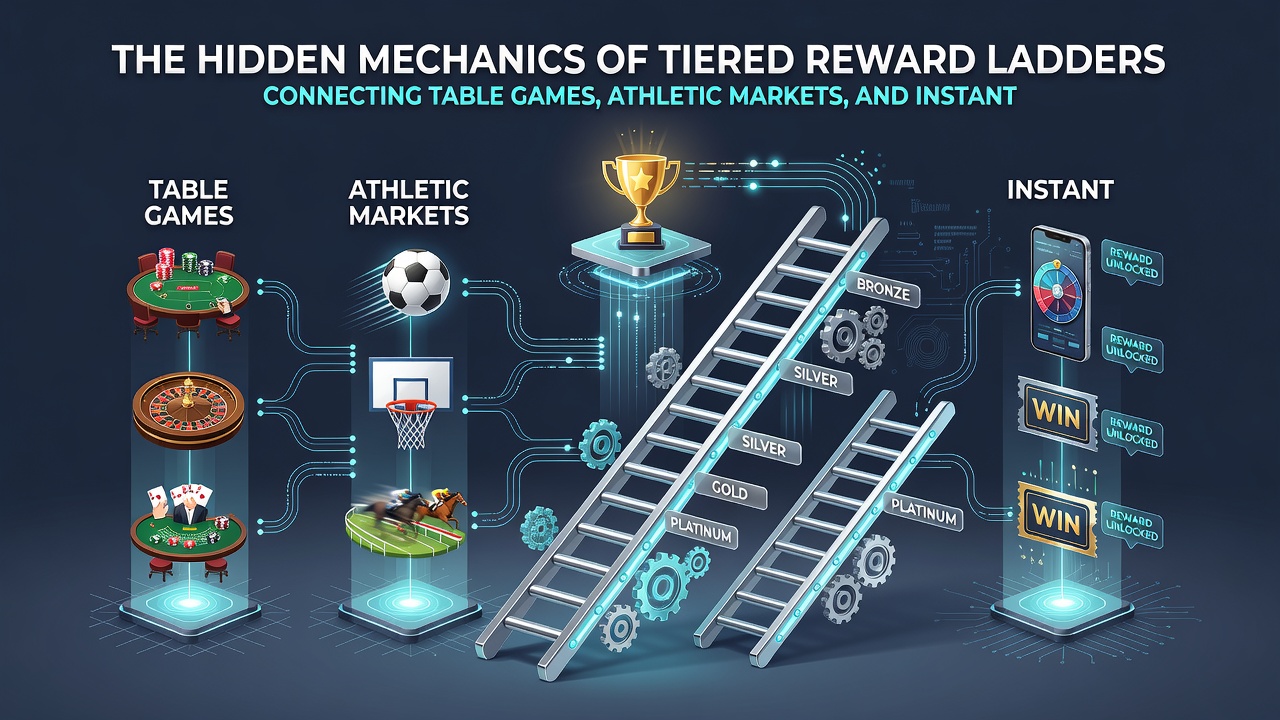
Cross-promotional mechanics appear when operators link table game milestones to sports market incentives, such as granting free bet credits after achieving a certain blackjack session threshold, and these credits carry over into football or basketball wagering interfaces. Figures from Canadian provincial gaming commissions highlight that provinces with integrated platforms saw a 22 percent increase in multi-vertical play during the first half of 2026.
Role of Instant Funding Options in Accelerating Progression
Instant funding methods, including e-wallets and real-time bank transfers, reduce the friction between decision and action by enabling deposits that post within seconds rather than minutes or hours, and this speed directly supports tier ladder advancement because players maintain momentum across gaming sessions without interruption. Operators integrate these options into reward dashboards so that funding activity itself sometimes earns supplemental points, creating additional loops within the progression structure.
Payment processor data compiled through mid-2026 shows that accounts utilizing instant methods completed 40 percent more qualifying wagers per week than those relying on traditional card processing, and this pattern holds across both table game and sports betting environments. The American Gaming Association has documented how seamless funding correlates with higher average tier levels among active users in regulated markets.
Operational Mechanics and Data Flow
Backend systems synchronize player identifiers across table game terminals, sports betting applications, and funding gateways so that every transaction updates a central loyalty ledger in real time, and this architecture prevents duplication while allowing operators to apply tier benefits uniformly. When a player deposits via an instant method and immediately places a table game wager followed by a sports bet, the combined activity registers as a single progression event rather than fragmented entries.
Regulatory frameworks in several jurisdictions require transparent disclosure of point valuation and redemption rules, and compliance audits verify that algorithmic adjustments to tier thresholds do not disproportionately favor one game category over another. Observers note that these checks help sustain player trust in the fairness of the interconnected ladders.
Conclusion
The hidden mechanics of tiered reward ladders operate through unified tracking systems that link table game performance, athletic market activity, and instant funding efficiency into cohesive progression pathways, and operators continue refining these connections to align with evolving player behaviors observed through August 2026. Data from multiple regulatory and academic sources confirms that integrated reward structures influence engagement patterns across verticals while maintaining operational transparency required by oversight bodies. Those who study these systems find that the interplay between categories and funding speed determines how quickly participants advance and what benefits they ultimately access.